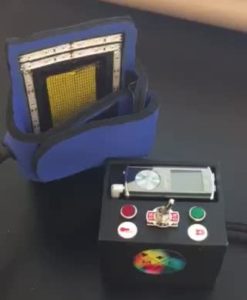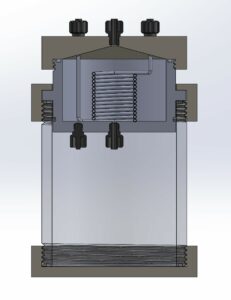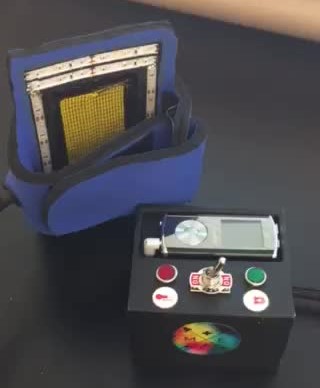


This effort brings together experts in biomedical engineering, emergency medicine, physiology, athletic training, and bioheat transfer to tackle essential gaps in the detection and treatment of hyperthermia, hypothermia, and thermal emergencies.The initiative is led by The University of Texas at San Antonio, through the Medical Design Innovations Lab and the Department of Emergency Medicine, and includes collaborators from University of Arkansas, The University of Texas at Austin, UT Southwestern Medical Center, United States Army Research Institute of Environmental Medicine (USARIEM), United States Army Institute of Surgical Research (USAISR), Phoenix Fire Department, and University of Minnesota.Current efforts focus on the development of a temperature monitoring system, evaluation of advanced cooling technologies, and development of next-generation bioheat transfer models to inform both device design and treatment strategies. By combining experimental, computational, clinical, and field expertise, including that of athletic trainers, the THERMIC group is working to accelerate the translation of research into practical, field-ready solutions for heat- and cold-related emergencies.